The gap between what’s possible and what the sailing world approves
Apr 16, 2026
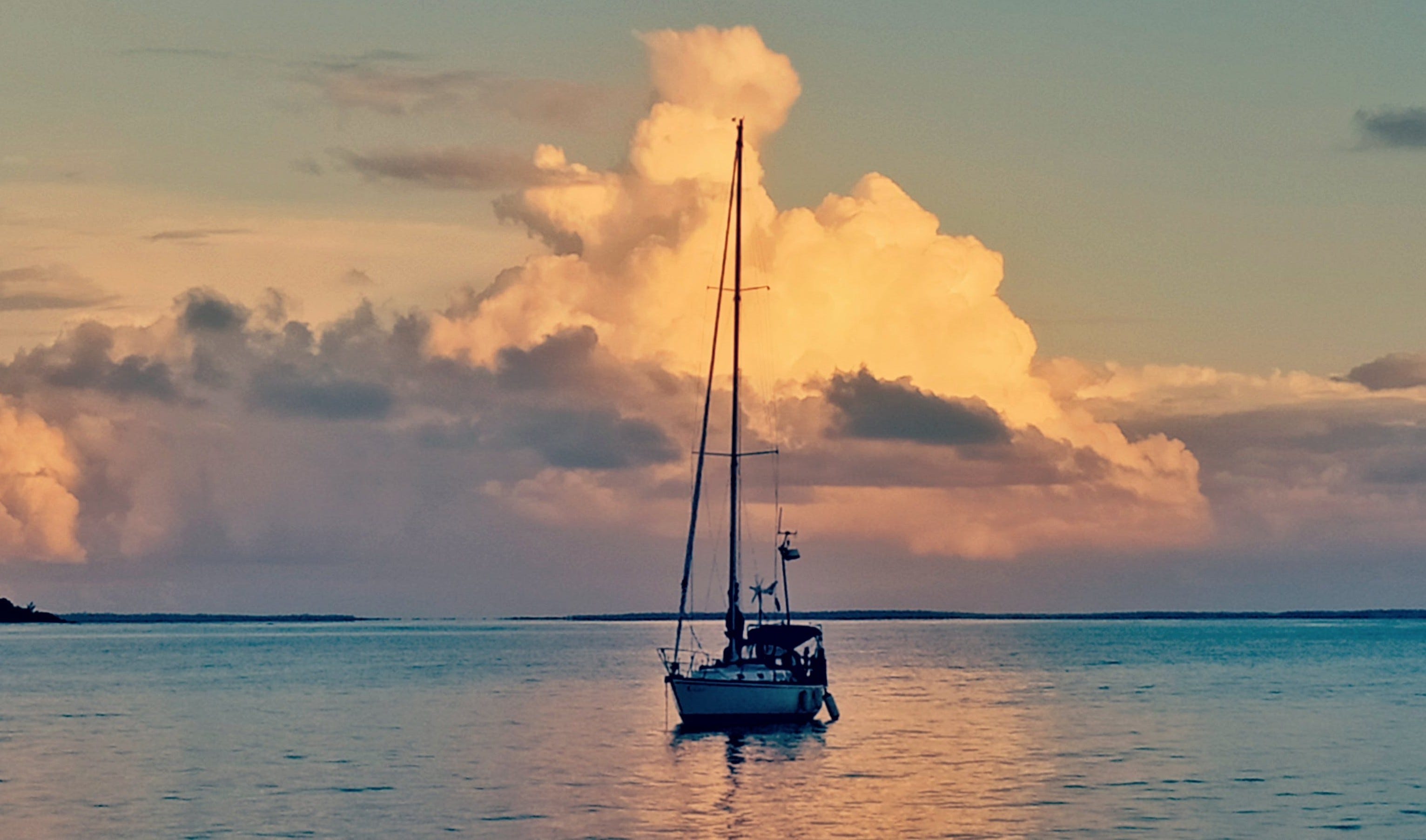
I was reading a post in one of the sailing Facebook groups the other day. Someone shared a photo of a Hunter Legend and asked a simple question:
“Why wouldn’t this be a good boat to buy for retirement?”
The responses came quickly—and predictably. A long list of reasons why it was a bad idea, why it wasn’t a “real” bluewater boat, and why it shouldn’t even be considered. Mixed in were a few quieter voices, including one person who casually mentioned that he had crossed the Atlantic on that exact model.
That contrast stuck with me more than anything else in the thread.
Spend enough time in sailing forums and a pattern emerges. There’s no shortage of experience or knowledge, but there’s also a tendency to shut people down instead of helping them think through a decision. The conversation often shifts from what’s possible to what’s acceptable—and those aren’t the same thing.
To be fair, the idea of a “bluewater boat” exists for a reason. Some boats are better built for offshore passages. Hull design, rigging, displacement, storage, and overall durability all matter when you’re days or weeks away from land. Ignoring that entirely would be foolish.
But somewhere along the way, that guidance turns into something else: the idea that if a boat doesn’t meet a certain standard, it has no place crossing an ocean at all.
That’s where I think the disconnect happens.
Because oceans are being crossed all the time in boats that don’t meet those standards. I’ve been offshore on boats that wouldn’t make anyone’s “recommended” bluewater list, and the reality is usually less theoretical than these discussions suggest.
It happens more often—and with far less fanfare—than most of these conversations would lead you to believe.
One example that came to mind while reading that thread was the Mara Noka—a 50-year-old, primitive catamaran that has crossed the Atlantic multiple times. Not exactly what most people would recommend for offshore passages. And yet, it has done the very thing so many say shouldn’t be attempted without the “right” boat.
That doesn’t mean every boat is a good idea. It doesn’t mean risk disappears. It just means that the line between impossible and inadvisable is often treated as if it doesn’t exist.
Personally, I still want a well-built bluewater boat. If I’m going to spend extended time offshore, I’d rather stack the odds in my favor. That’s not something I’m ignoring.
But I also don’t confuse that preference with a universal rule.
There’s a difference between saying,
“This isn’t the best tool for the job,”
and
“This shouldn’t be done at all.”
One is advice. The other is gatekeeping.
The sailor who crossed the Atlantic on that Hunter Legend didn’t wait for consensus approval. He made a decision about his boat, his skills, and his tolerance for risk—and then he went sailing.
And that, to me, matters more than whether his boat checked all the right boxes.
Because in the end, the ocean doesn’t care what category your boat falls into. It doesn’t care whether it’s listed on a bluewater-approved spreadsheet or dismissed in a Facebook thread.
It only cares how well you and your boat handle what comes.
Thanks for reading. If you enjoy posts like this, consider subscribing and following. I write about sailing, cybersecurity, AI, and adventure, with a few detours into the absurd.
Matt Ray
Living Large by Living Little
About the Author
Matt Ray is a sailor, writer, and cybersecurity tinkerer. He once circled the globe by hitchhiking on sailboats—and somehow lived to write about it.
Author of the practical crewing guide, Global HitchHiking
Global HitchHiking: How I Sailed the World Without Owning a Boat


