Why sailors don’t cross oceans in straight lines
Apr 17, 2026
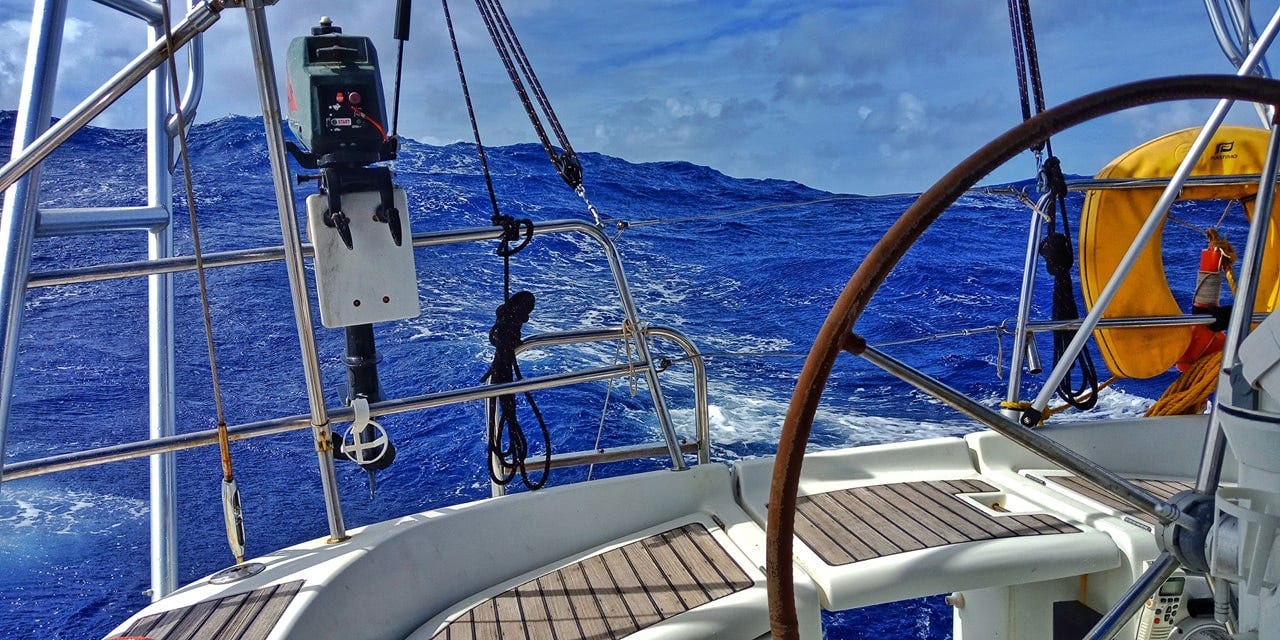
If you want to cross an ocean in a sailboat, you don’t just point the bow at your destination and go. At least—not if you want it to be manageable. Out there, the ocean has its own system. Invisible, consistent, and far more powerful than anything you bring with you. Sailors have been using it for centuries. They’re called the trade winds.
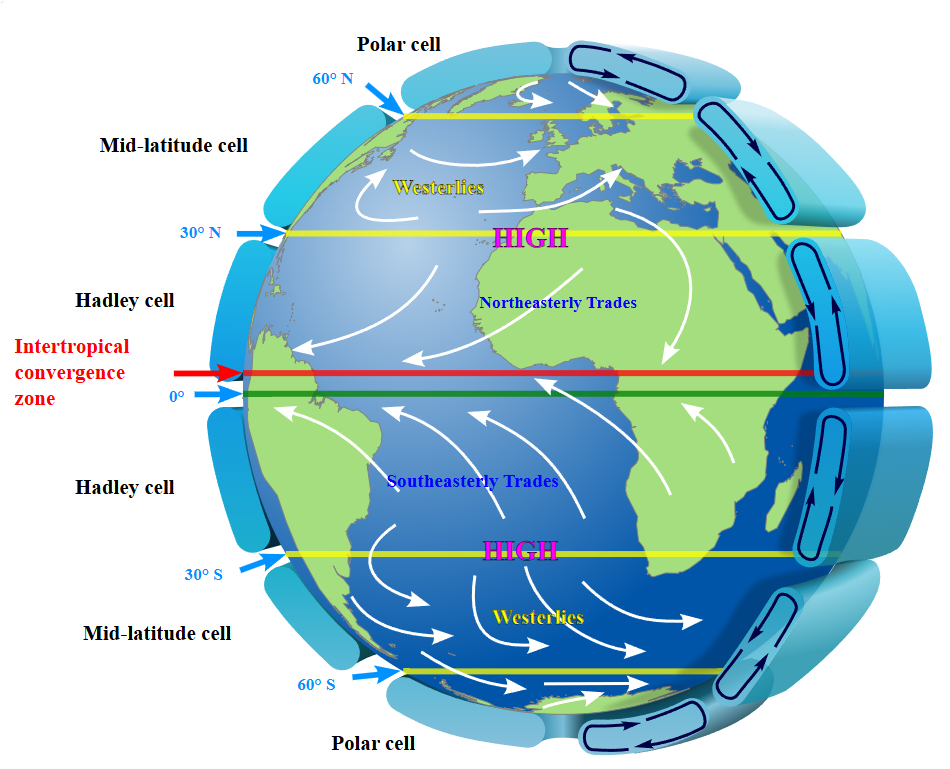
Near the equator, the wind tends to blow in a steady pattern from east to west. Not perfectly, not constantly—but often enough that you can plan around it. That consistency is everything. In sailing, unpredictability is what wears you down. When the wind is steady, life gets simpler. The boat settles in, the crew settles in, and you stop fighting the ocean and start moving with it.
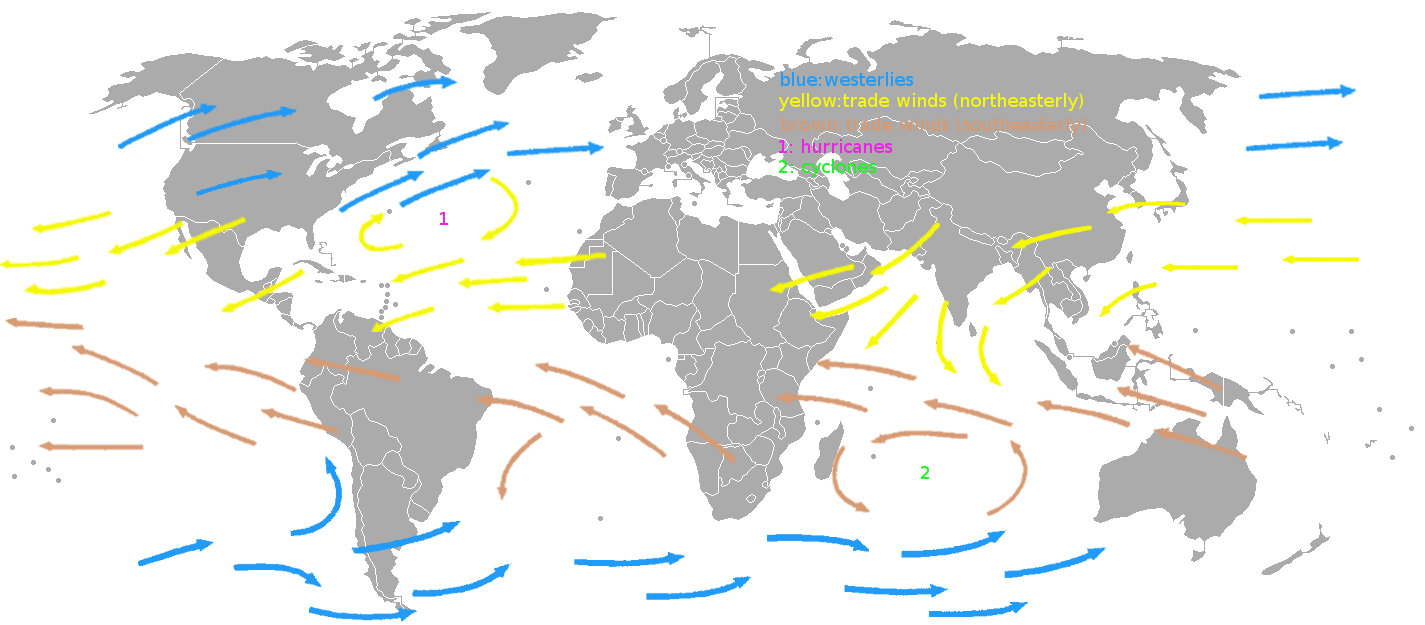
If you look at a map, the shortest route between two places is a straight line. Sailboats almost never take it. Instead, they drop south first—sometimes hundreds of miles—just to pick up the trade winds. Once they find them, they ride them across. It looks inefficient on paper, but in reality it’s the difference between a manageable passage and a miserable one.
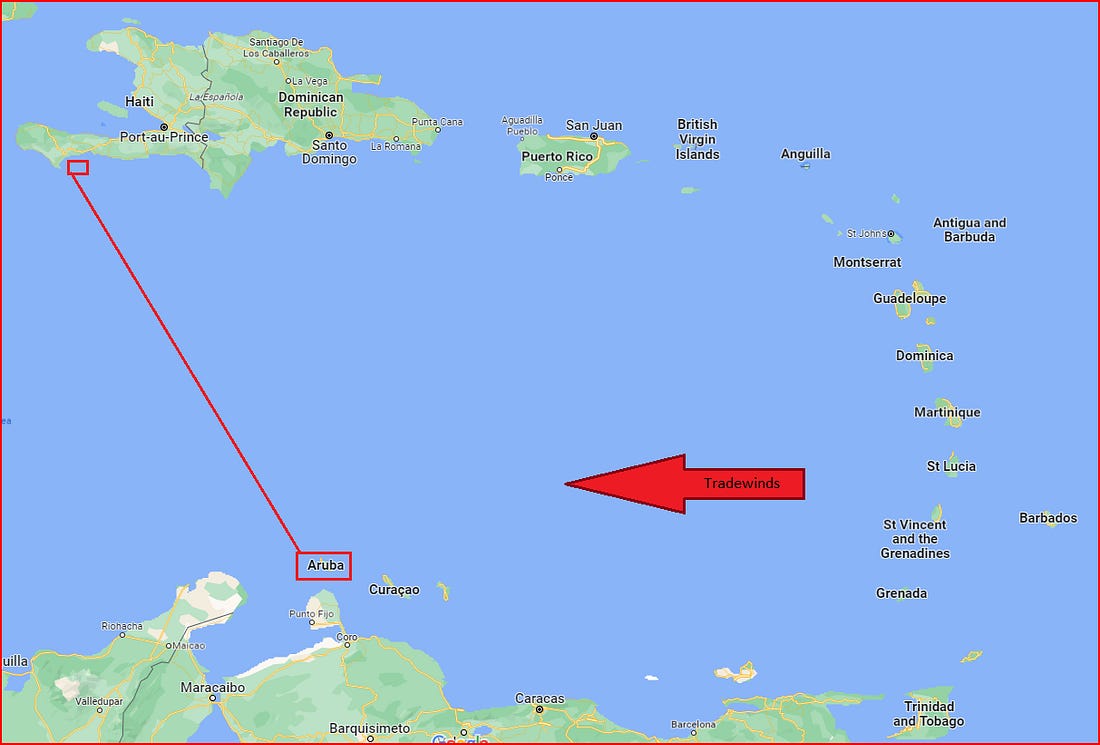
I learned that the hard way sailing from Haiti to Aruba. On the chart, it doesn’t look like much of a passage—a few hundred miles across the Caribbean. But we were heading east, directly into the trade winds. Instead of steady progress, it was constant pounding. The boat slammed into waves, and every mile felt earned. You don’t ride the trade winds when you’re going that direction—you fight them. And fighting the ocean, even for a few days, wears on everything: the boat, your sleep, your patience.
Later, crossing from Ecuador to Tahiti, it was a completely different experience. This time we were going with the system instead of against it. The trades filled in, and the boat just… went. Days of steady wind, predictable motion, and a rhythm that carried us across thousands of miles of open ocean. No constant adjustment, no beating into waves—just movement. That’s when you understand why sailors have relied on these winds for centuries. It’s not about speed. It’s about ease.
Long before GPS or modern weather forecasting, sailors understood these patterns. They didn’t have detailed charts, but they had experience, and they learned quickly that working with the wind dramatically improved their chances of getting where they were going. That’s where the name comes from—trade winds. They made global trade possible. Ships followed predictable routes across oceans, not because they wanted to, but because the wind dictated it.
The trade winds get romanticized a bit. People picture perfect sailing—steady breeze, blue water, maybe a drink in hand. And sometimes it is like that. But not always. They can weaken, shift, or bring squalls with them. Even steady wind, day after day, has its own kind of fatigue. The trade winds don’t make ocean crossings easy. They make them possible.
The biggest mistake people make when they start thinking about sailing long distances is assuming they’re in control of the route. You’re not. The sooner you accept that—and learn how to work with what’s already out there—the better your experience will be. Sometimes that means going hundreds of miles out of your way. Sometimes it means waiting. And sometimes it means realizing that the difference between a brutal passage and a beautiful one comes down to something as simple as which direction you’re headed.
Thanks for reading. If you enjoy posts like this, consider subscribing and following. I write about sailing, cybersecurity, AI, and adventure, with a few detours into the absurd.
Matt Ray
Living Large by Living Little
About the Author
Matt Ray is a sailor, writer, and cybersecurity tinkerer. He once circled the globe by hitchhiking on sailboats—and somehow lived to write about it.
Author of the practical crewing guide, Global HitchHiking
Global HitchHiking: How I Sailed the World Without Owning a Boat


